Modernizing State Services: Harnessing Technology for Enhanced Public Service Delivery

Modernizing State Services: Harnessing Technology for Enhanced Public Service Delivery

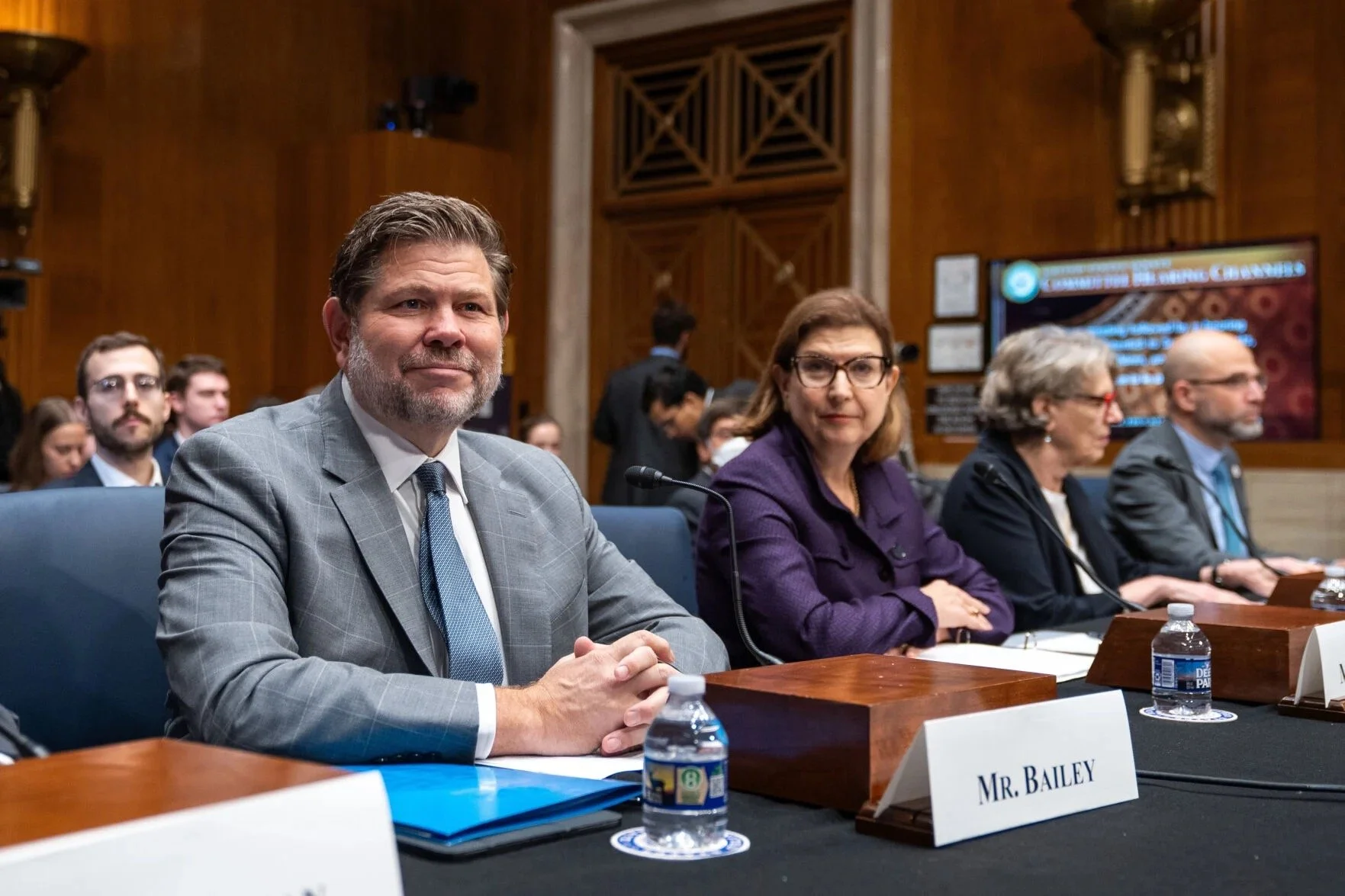
The COVID-19 pandemic has exposed the urgency for state governments to improve digital service delivery and address long-standing technology challenges. The Tech Talent Project, in collaboration with AEI, the Beeck Center for Social Impact + Innovation at Georgetown University, and New America, has released a report offering guidance for states to build technical capacity and avoid past pitfalls. I had the privilege of co-chairing this effort with Cecilia Muñoz Former Assistant to the President and Director, White House Domestic Policy Council.
From Automation to Reinvention: How AI Is Shifting the Nature of Work

From Automation to Reinvention: How AI Is Shifting the Nature of Work

The rise of AI technologies like ChatGPT promises to boost global GDP by 7% in a decade, according to Goldman Sachs. However, this may disrupt 63% of US jobs, including higher-skilled professions like auditors and interpreters. These AI tools will change the nature of work, shifting focus from mundane tasks to more advanced, human-centric activities. Surprisingly, AI could benefit the least skilled workers, narrowing the performance gap among employees. While job displacement is inevitable, the larger disruption may be the creation of new, hybrid jobs combining domain expertise with AI skills. Policymakers must proactively invest in education and workforce training to ease these transitions and capitalize on AI's productivity potential.

Building Trust in AI: A Call for Clear Guidelines to Harness Its Benefits

Building Trust in AI: A Call for Clear Guidelines to Harness Its Benefits

Policymakers have yet to fully understand the profound effect the AI revolution will have on our economy, national security, and social well-being. AI, for all its benefits, will also present new risks, challenges, and tensions with our values. To prevent the worst consequences of AI, clear regulations are needed to harness its benefits while managing its risks.

Assessing the Threat of AI Misuse in Disinformation Campaigns

Assessing the Threat of AI Misuse in Disinformation Campaigns

OpenAI. Georgetown University’s Center for Security and Emerging Technology and the Stanford Internet Observatory wrote a provocative report surfacing misinformation risks posed by AI.   The report provides a thoughtful framework through which to think about the threat of AI-enabled influence operations and some of the steps that can minimize those risks along with their associated trade-offs.

Quarantines, Not School Closures, Led to Devastating Losses in Math and Reading

Quarantines, Not School Closures, Led to Devastating Losses in Math and Reading

The recent dismal results from the National Assessment of Educational Progress introduced a new learning-loss puzzle. It was assumed that states with more remote instruction would have lower academic scores than those with more in-person classes during the pandemic. But states that had more days of in-class learning also saw declines. The likely reason is due to the hidden disruptions to student learning caused by COVID quarantines.  

Meet ChatGPT: The AI Chatbot That Can Write Code, Pass Exams, and Generate Business Ideas

Meet ChatGPT: The AI Chatbot That Can Write Code, Pass Exams, and Generate Business Ideas

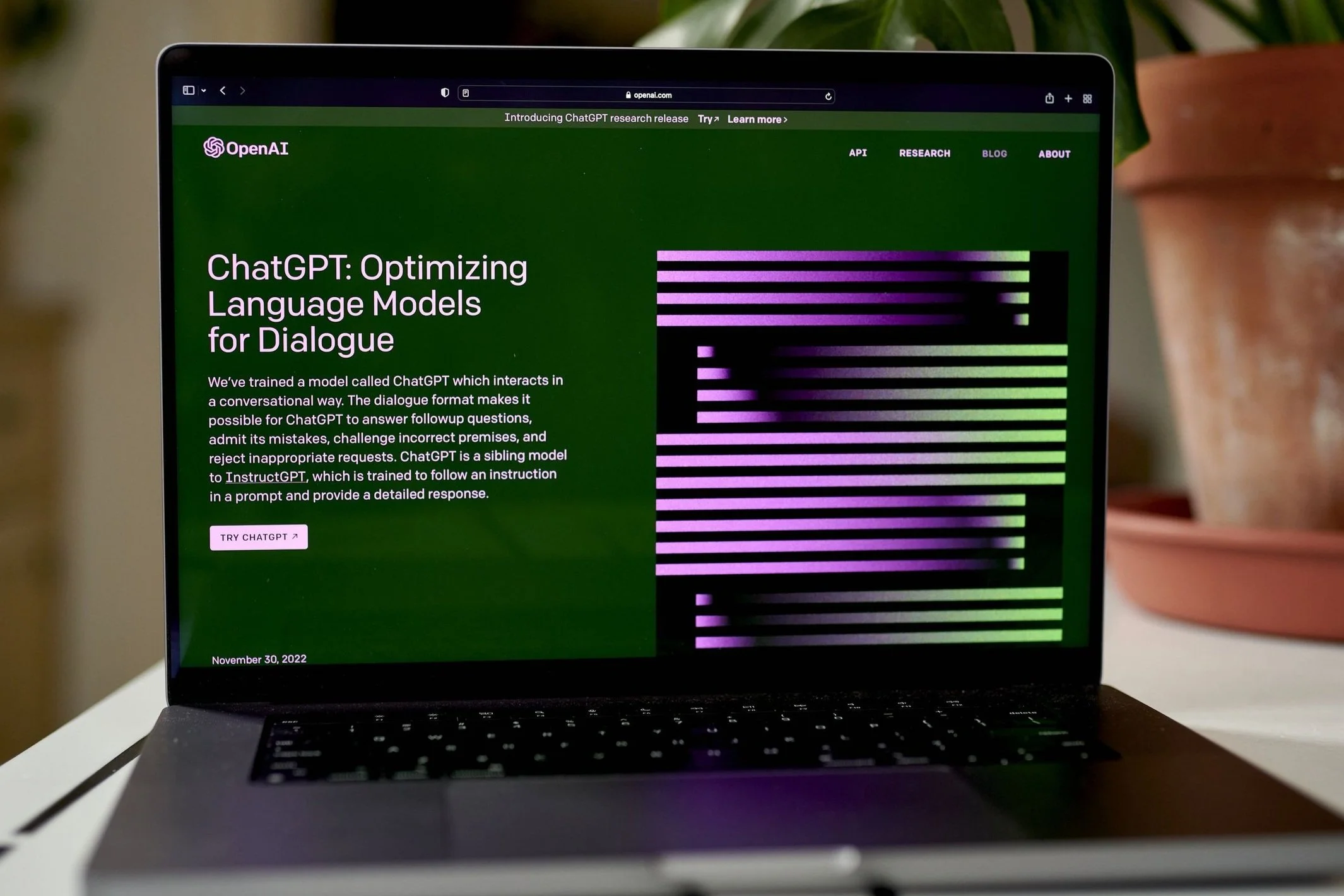
Just over a week ago, OpenAI introduced ChatGPT, a cutting-edge artificial intelligence (AI) chatbot that uses a massive dataset to generate human-like responses to text-based inputs. In just five days, the chatbot reached over one million users, a milestone that took Facebook almost a year to achieve when it first launched. As we continue to develop and advance this technology, it will undoubtedly have a significant effect on the future of work and the way we approach tasks and responsibilities. It is important that we carefully consider how we can use AI to its full potential while also mitigating any possible negative effects. By doing so, we can ensure that AI will be a powerful and positive force for change.

A New Apprenticeship Requirement Could Slow Federally Funded Energy Projects

A New Apprenticeship Requirement Could Slow Federally Funded Energy Projects

The IRA’s new tax incentives create a massive demand for apprenticeships, which should be celebrated. However, federal and state policymakers must act quickly to set up those apprenticeship programs so there are no delays in building out the new climate projects ushered in by the IRA.

Federal Regulators Should Approve Election Prediction Markets

Federal Regulators Should Approve Election Prediction Markets

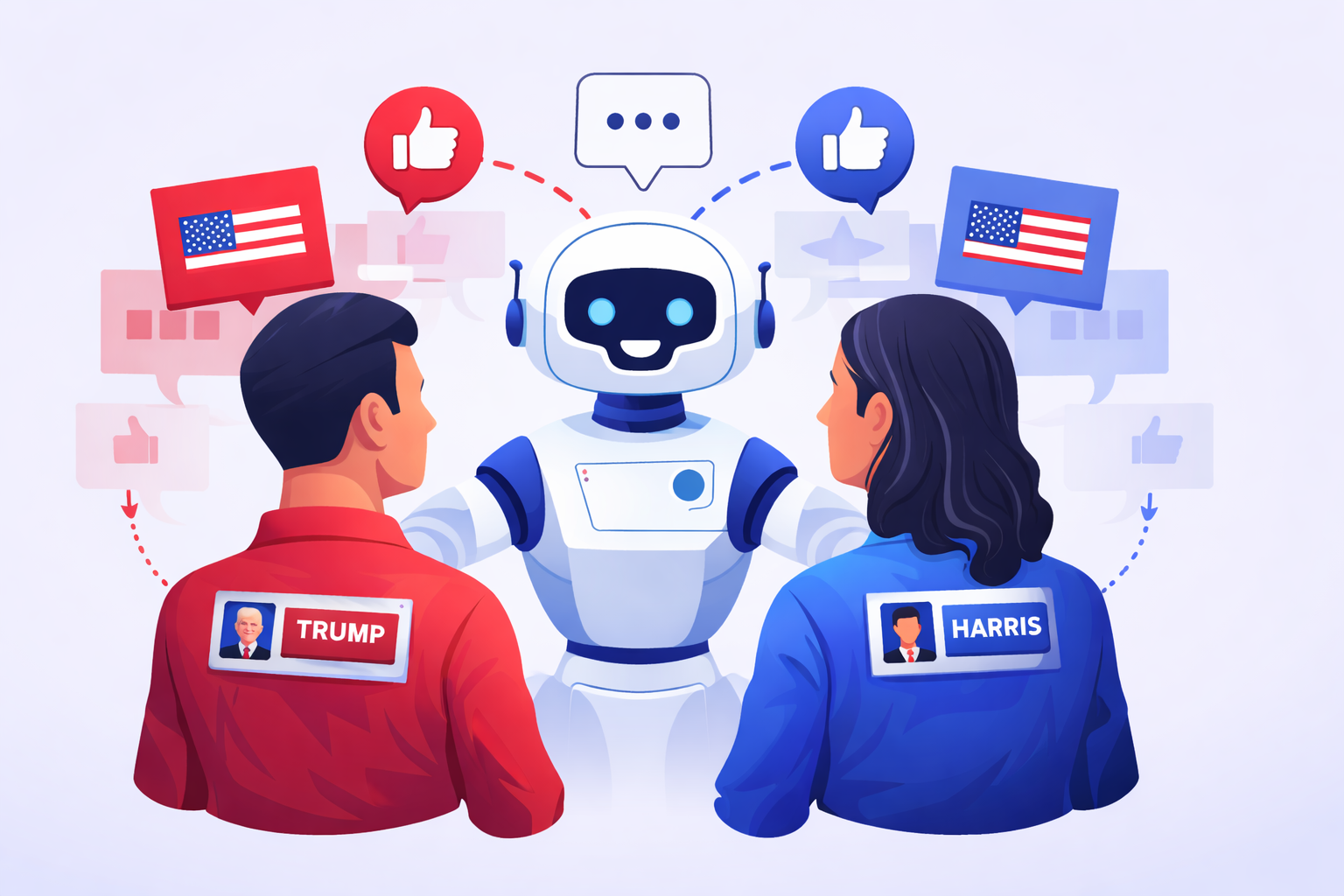
The US Commodity Futures Trading Commission (CFTC) continues to wrestle with how to best regulate prediction markets. The commission is expected to make a decision as soon as this week on whether the startup Kalshi can offer a market on the outcome of the upcoming midterms. Election prediction markets have proven to be a powerful tool for forecasting elections and are typically more accurate, timely, and complete than conventional methods. Kalshi’s proposal does not pose a risk to the integrity of the US election system. Approving Kalshi’s submission would be a step in the right direction for the commission and promotes the public interest

Why Arati Prabhakar is Uniquely Suited to Lead OSTP

Why Arati Prabhakar is Uniquely Suited to Lead OSTP

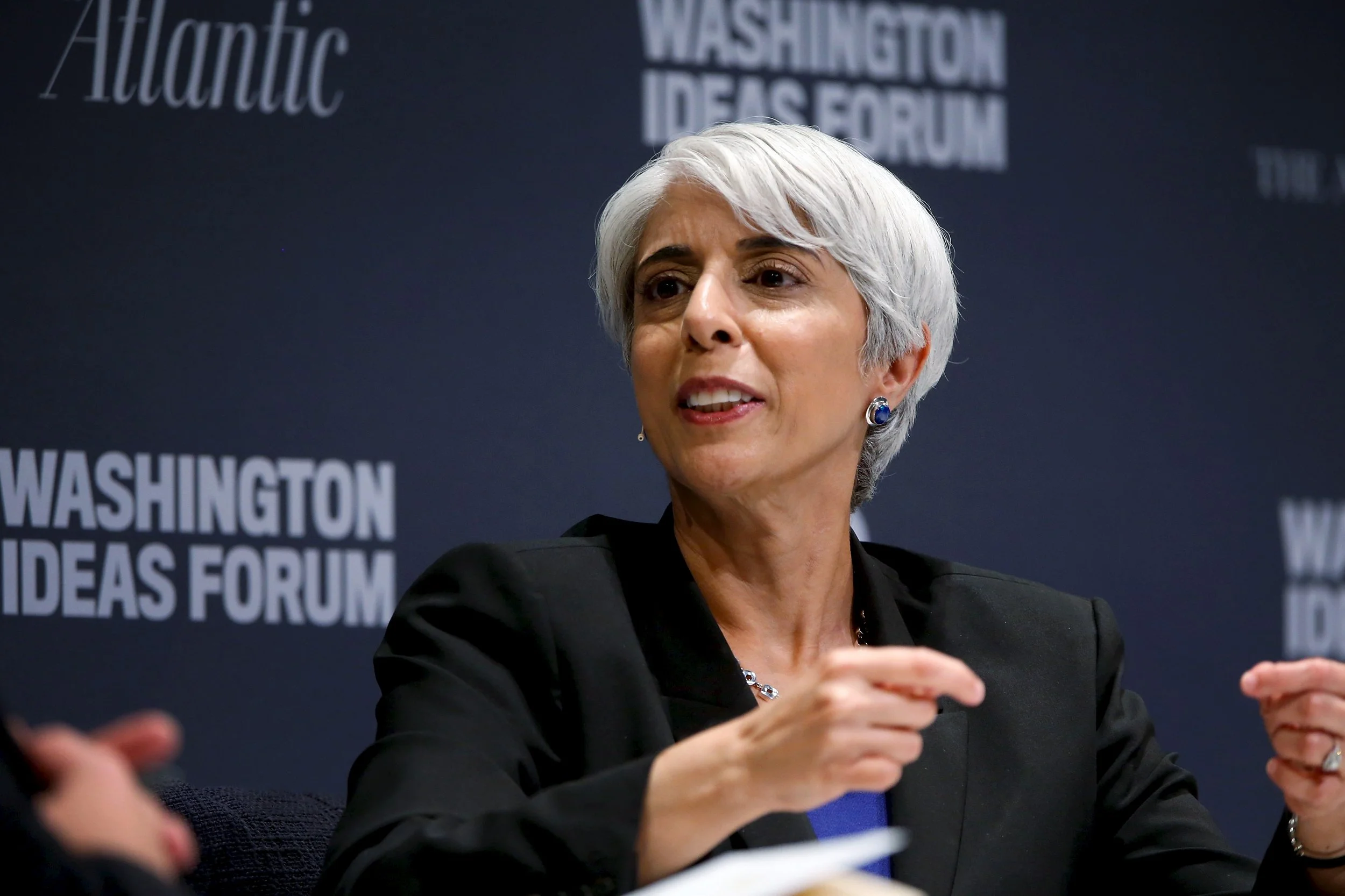
On September 22, the Senate confirmed Arati Prabhakar as White House Office of Science and Technology Policy (OSTP) director, the first woman of color and immigrant to hold the position. Prabhakar is uniquely suited for navigating these challenges. She previously headed the Defense Advanced Research Projects Agency and the National Institute of Standards and Technology. She held several roles in Silicon Valley, including with the early-stage venture firm US Venture Partners, and she recently founded the nonprofit Actuate, which seeks to bring new actors to the table in developing solutions for areas such as climate, health, and trustworthy data. She will be able to draw on that public and private sector experience to shape how agencies stand up these new programs and design the guidelines and rules for new funding streams.

Implementing Federal Innovation Programs: A Road Map for States

Implementing Federal Innovation Programs: A Road Map for States

An unexpectedly productive Congress has passed the Infrastructure Investment and Jobs Act (IIJA), CHIPS Act, and Inflation Reduction Act (IRA), which aim to improve America’s infrastructure, boost competitiveness with China, and accelerate new climate technologies. Attention now shifts to implementation. State and community leaders should begin work now to prepare for funding competitions on the horizon.

Implementing Federal Innovation Programs: A Road Map for States

Implementing Federal Innovation Programs: A Road Map for States

An unexpectedly productive Congress has passed the Infrastructure Investment and Jobs Act (IIJA), CHIPS Act, and Inflation Reduction Act (IRA), which aim to improve America’s infrastructure, boost competitiveness with China, and accelerate new climate technologies. Attention now shifts to implementation. State and community leaders should begin work now to prepare for funding competitions on the horizon.

Congress Must Pass Innovation Legislation, Despite Hurdles

Congress Must Pass Innovation Legislation, Despite Hurdles

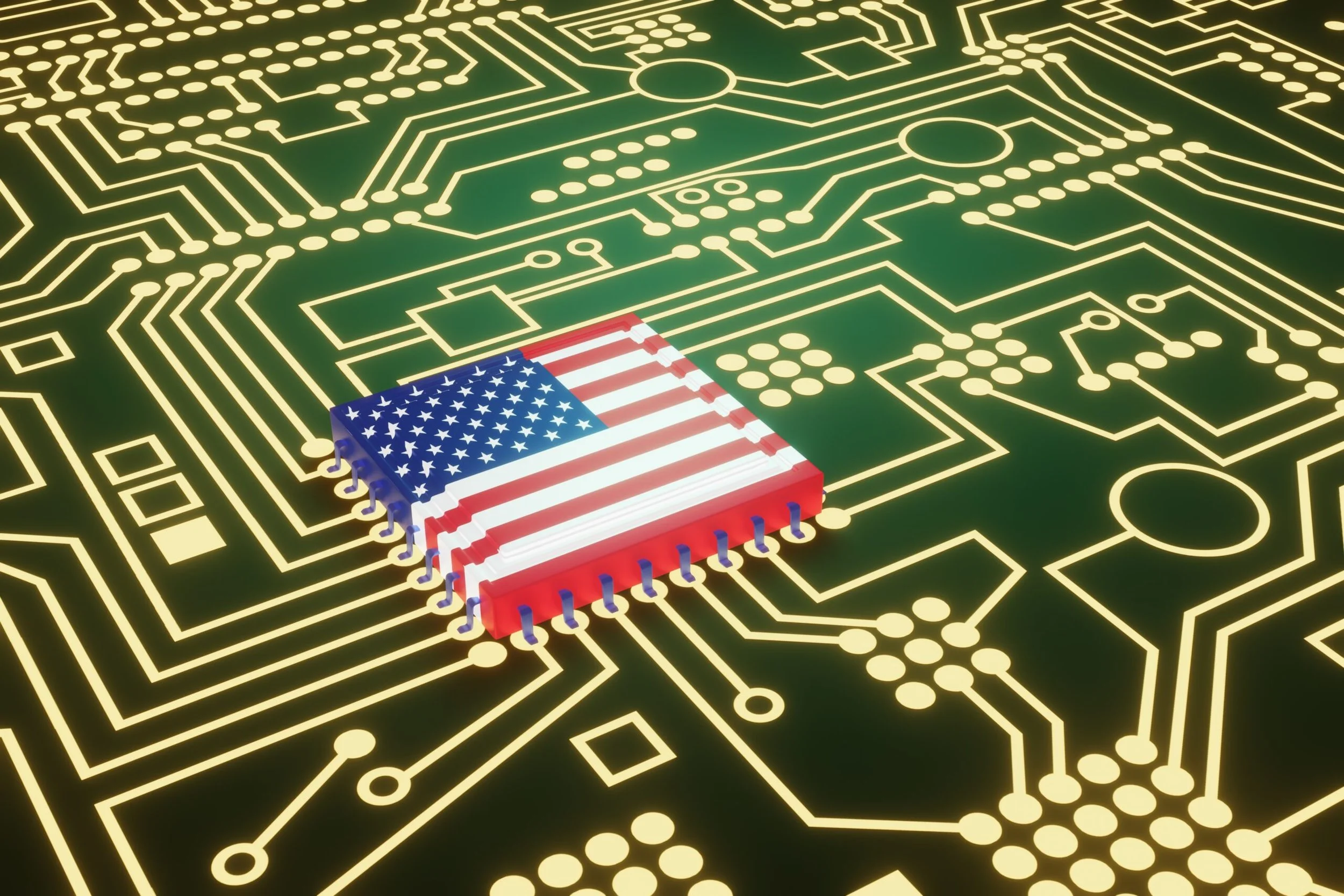
Senate leaders are expected to release updated text on a slimmed-down set of bills to bolster the US semiconductor chip industry. The measures will likely include $52 billion in subsidies and an investment tax credit to boost US manufacturing, but the rest of the Bipartisan Innovation Act (BIA) remains in limbo at a time when more urgent action is needed. Strengthening America’s leadership in science and innovation tomorrow will depend on three crucial areas of investments needed today in bolstering semiconductor manufacturing, boosting federal R&D, and addressing the talent gap.

Harnessing the Best of Automation While Minimizing the Downside Risks

Harnessing the Best of Automation While Minimizing the Downside Risks

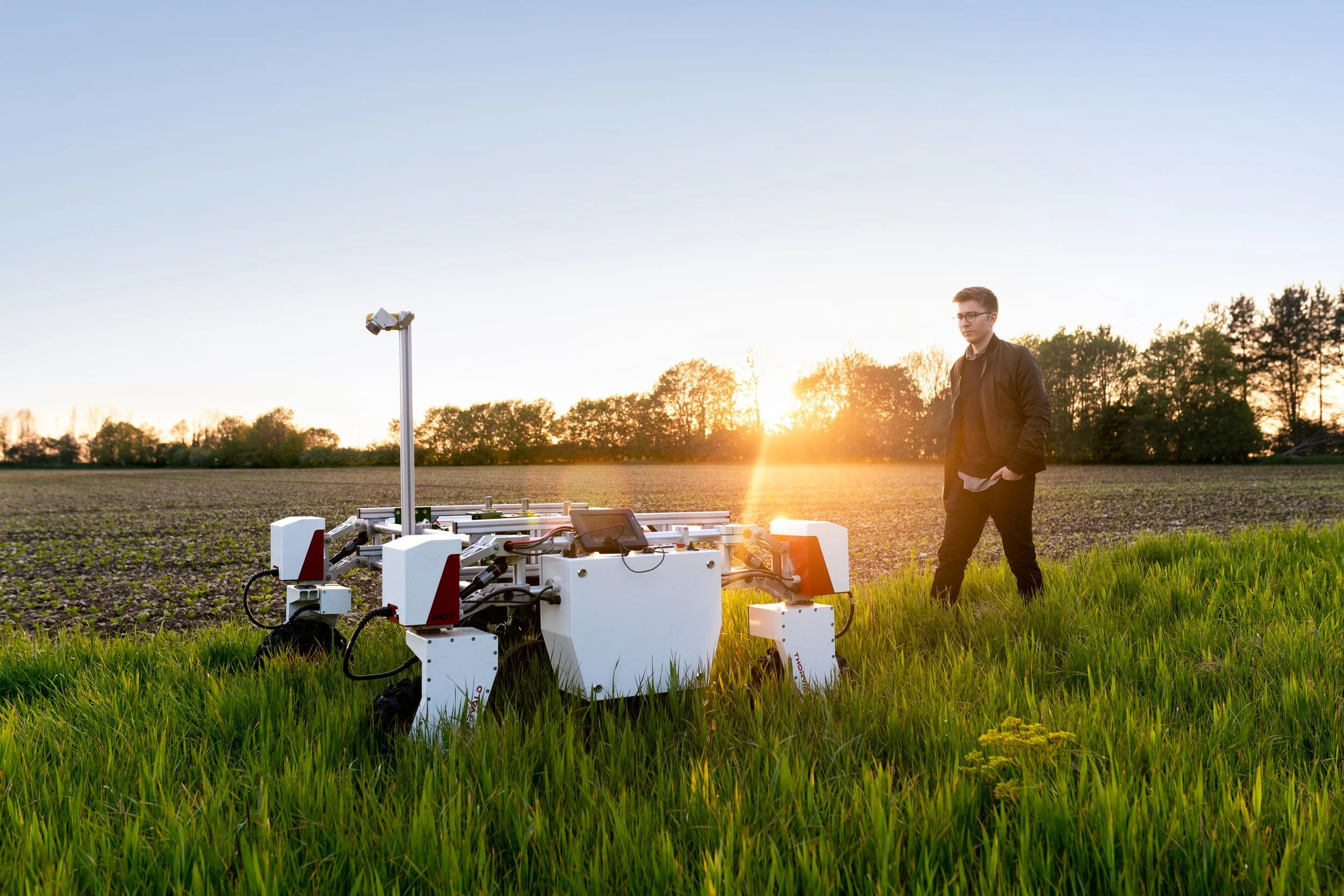
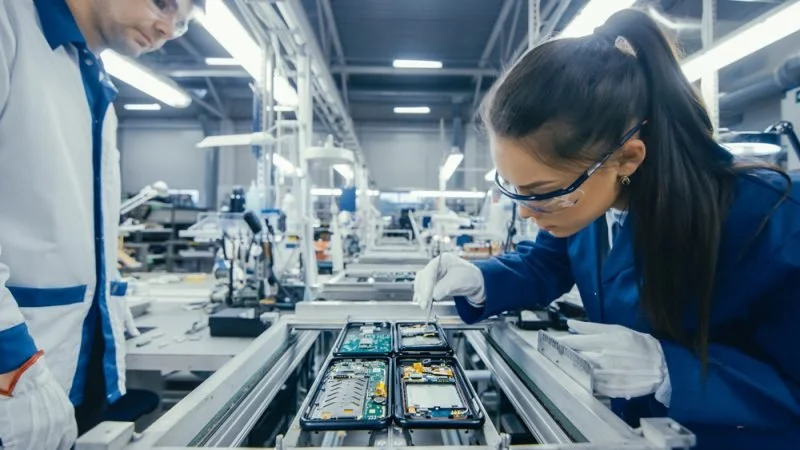
The pandemic and economic disruptions have accelerated the adoption of automation technologies that will introduce important benefits to businesses and consumers but may also create disruptions for many workers and communities. Policymakers and leaders can take steps now to help navigate these disruptive changes.

American Space Achievements: Lessons from the Past Year

American Space Achievements: Lessons from the Past Year

The past year was filled with incredible technological breakthroughs and moments of inspiration. We should celebrate these achievements, but also use them as a call for continued action to strengthen the pipelines that enable innovation. Federal policymakers and regulators should double down on using public-private partnerships and creating more regulatory room to test and scale innovations. One important element of this work should involve reviewing existing regulatory processes that may need modernization.

News Coverage of Our Report "Is it Safe to Reopen Schools?"

News Coverage of Our Report "Is it Safe to Reopen Schools?"

New coverage on the report Is It Safe To Reopen Schools?: An Extensive Review of the Research including CNN, Axios, WSJ, and more.

Via CNN:

In fact, a new report that analyzed 130 studies on school reopening found that schools can safely reopen if they follow mitigation strategies including mask wearing and social distancing. The report -- Is it Safe to Reopen Schools? An Extensive Review of the Research, authored by education and policy expert John Bailey -- even found that when it comes to physical distancing, 3 and not 6 feet may be enough.

Are Federal Broadband Grants Taxable?

Are Federal Broadband Grants Taxable?

Casey Lide of Keller and Heckman recently wrote a blog post warning that federal grant funding might be considered taxable income by the IRS. This unexpected tax liability could severely curtail the impact of federal grant programs designed to expand affordable broadband connectivity and close the digital divide. The Biden administration is weighing available options for using executive authority to exempt these projects, but a better remedy is for Congress to pass a clean and clear extension.

Reset Strategies Now, Prepare for the Future

Reset Strategies Now, Prepare for the Future


The rapidly receding Omicron wave of Covid-19 presents a moment to pause and reflect on our pandemic strategy and make needed and, in some cases, long overdue adjustments. This is also the time to prepare for future pandemic risks. As we move forward, it is important for policymakers and health authorities to review which measures have worked, which policies have fallen short, and which actions have produced too little public-health benefit relative to the costs they have imposed on families and, too often, on children.

Competitiveness Legislation Should Address Immigration

Competitiveness Legislation Should Address Immigration

For the first time in over a decade, Congress is considering legislation to strengthen US leadership in science and innovation by bolstering domestic research and development (R&D) and manufacturing capabilities to build supply-chain resilience and reduce dependence on China. Congress should also use this opportunity to pass complementary immigration reforms that will allow the US to meet the challenges of the 21st century.

A Direct Cash Benefit Can Help Families With the Cost of School Closures

A Direct Cash Benefit Can Help Families With the Cost of School Closures

One of the least discussed harms from school closures during the pandemic has been the extra costs families face with securing child care, finding alternative education arrangements and losing income due to missing work. Governors should use their American Rescue Plan funds to provide families with financial assistance to absorb the unexpected economic impacts created by school closures and student quarantines.