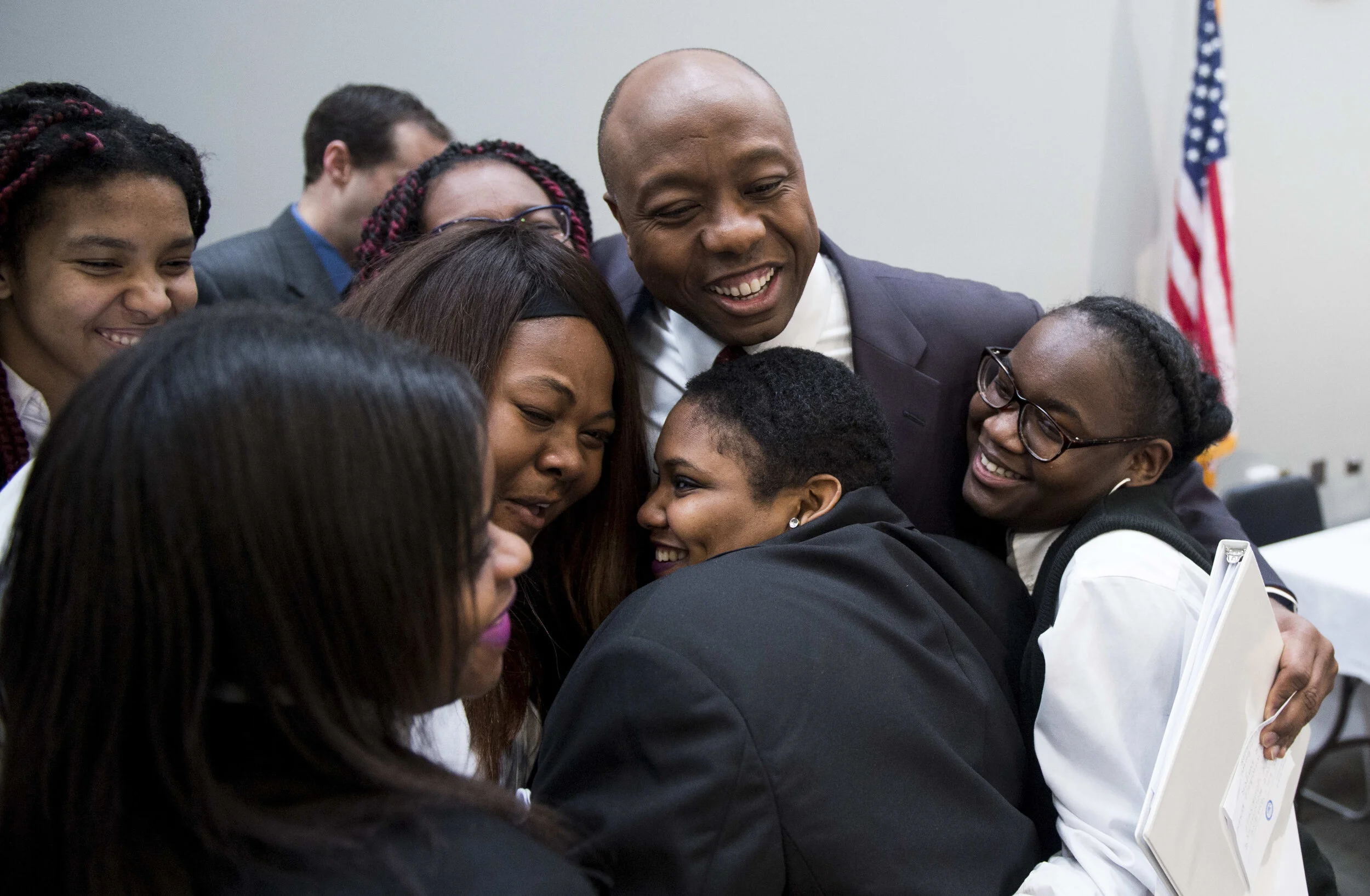
The adage “good things come to those who wait” does not apply to the work facing America’s governors and mayors. In this case, good investments will come to those who hustle and adopt the boldest policies to best position their Opportunity Zones to succeed.
Student-Centered Education Reforms + Time to Let Them Work = Progress. Need Proof? Look at Florida’s NAEP Scores
The National Assessment of Educational Progress is education’s version of Gross Domestic Product: a national indicator of the overall education health of the country. By that line of thinking, it’s difficult to see anything but stagnation in the numbers. We’re in an educational recession.
The outlier was Florida, whose NAEP gains were so significant that it prompted Peggy Carr, the usually reserved associate commissioner of assessment at the National Center for Education Statistics, to say, “Something very good is happening in Florida, obviously.” She went on to say that no matter how researchers broke out the data — by race, family income, gender, disabilities — they found that Florida showed growth on the 2017 NAEP, whereas most other states remained flat or saw declines.
The Investing in Opportunity Act: Hidden in the New Tax Bill, a Program to Help Charter Schools Secure Funds to Expand in High-Needs Areas
Tucked away in the Tax Cuts and Jobs Act is a little-noticed program called the Investing in Opportunity Act, which could bring much-needed financial investments to some of the nation’s most distressed communities. While most attention has focused on the benefits for housing development and new businesses, the program could also spur needed investments in education, particularly charter school facilities and skills training programs.
Why 'Opportunity Zones' Could Solve Unemployment In Slow-Growth Areas
The Other Challenge of Artificial Intelligence
By now, it is almost routine to see columns sounding the alarm about millions of existing jobs at risk of being automated. However, the real risk is that we do not have a system ready to equip people with the skills needed to fill millions of new and modified jobs that will result from the rise of AI.